
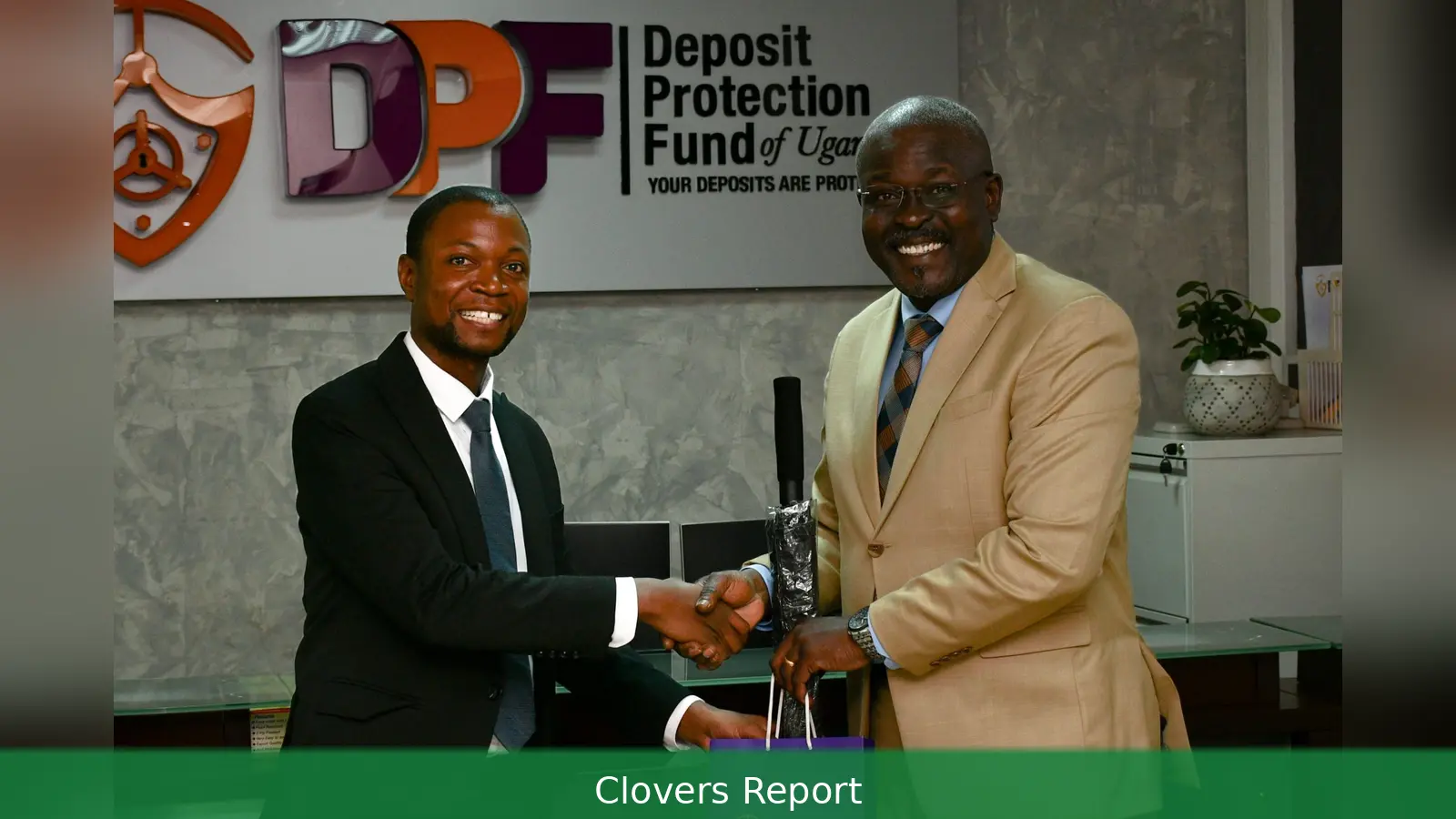
Want to know how your bank deposits are protected in Uganda in 2026? Read on: the guide covers the Deposit Protection Fund (DPF), its recent numbers and the steps to check your cover and claim if a bank collapses — practical details you can act on today. It also compares Uganda’s scheme with Ireland’s deposit protection and gives tips and common mistakes to avoid.
Quick-reference summary
- Institution: Deposit Protection Fund of Uganda (DPF); statutory framework under the Financial Institutions Act, Cap. 57.
- Latest reported totals (year to 30 June 2025): total assets UGX 1,890 billion; total reserves UGX 1,830 billion; comprehensive income UGX 267 billion.
- Approximate euro equivalents (using 1 EUR = UGX 4,200 for conversion in this guide): assets ≈ €450m; reserves ≈ €436m; income ≈ €64m.
- Key institutions: DPF Board, Bank of Uganda (regulator), Ministry of Finance, Planning and Economic Development.
- Compare: Ireland’s Deposit Guarantee Scheme covers deposits up to €100,000 per depositor per institution (Central Bank of Ireland).
What the Deposit Protection Fund of Uganda is
The Deposit Protection Fund of Uganda is the official body that steps in to protect eligible depositors when a licensed financial institution fails; it’s the fund you should look to if your bank gets into trouble. It works with the Bank of Uganda and the Ministry of Finance under the Financial Institutions Act, Cap. 57. Banks pay into the DPF, which invests most of that money in government treasury papers. If a bank is declared insolvent or put into resolution, the fund is responsible for paying insured depositors.
Prerequisites — what you need to know before you act
Here's the thing — get these items ready before checking cover or starting a claim:
- Your bank account details — account number, branch and full name as held by the bank.
- Proof of identity (national ID or passport) and proof of address.
- Statements or deposit certificates showing balances and dates of deposits.
- Name of the bank and whether it’s licensed by the Bank of Uganda.
Step-by-step: How to check if a deposit is protected
- First, confirm your bank is licensed — check the Bank of Uganda’s online list. Only licensed deposit-taking institutions are covered, so don’t assume coverage if the lender isn’t on that list.
- Check the type of deposit. Most schemes insure demand deposits, savings and certain term deposits. Find the DPF scheme rules on the Deposit Protection Fund of Uganda site (look for the Scheme Document or Regulations) — the DPF publishes which deposit instruments are eligible.
- Find the coverage limit. The maximum insured amount per depositor per institution is set in the DPF regulations. Check the current cap on the DPF website or in the latest annual report; the figures in this guide use the DPF’s published financials to show system size but not to replace the statutory coverage limit.
- Aggregate deposits where required. If you hold several accounts at the same bank, most schemes add them together for the single-depositor limit. Confirm aggregation rules in the DPF Scheme Document.
- Note any exclusions. Business deposits, interbank deposits, and some large corporate deposits can be excluded or treated differently. The Scheme Document will list excluded categories.
Step-by-step: How to make a claim if a bank fails
When a bank is declared insolvent or under an official resolution process, the DPF moves to pay insured depositors. Follow these steps:

- Wait for the official declaration. The Bank of Uganda or the appointed liquidator will issue notice that the institution is closed or under resolution and that DPF compensation is being triggered.
- Check official DPF announcements. If a payout is triggered, the DPF should post who’s affected and when payments start on its website and in press notices — keep the fund’s site bookmarked for those updates.
- When claims open, fill out the official claim form (online or at designated centres). Include account numbers, ID and proof of ownership — photocopies are usually fine but keep your originals.
- Submit documents. Provide the ID, proof of ownership of the deposit (statements or certificates), and any additional documents requested. Keep originals and provide copies unless otherwise instructed.
- Verification and payout. The DPF will verify claims, calculate the insured amount (up to the statutory cap per depositor per institution), and issue payment. Schemes typically aim to pay within a fixed window — check the DPF timeline for 2026. Payments may be made by bank transfer, cheque or in-person collection, depending on DPF procedure.
- Follow up. If there’s any delay or dispute over amounts, the DPF publishes appeal steps and contact points. Use the official DPF helpline and the Bank of Uganda’s consumer complaint channels if needed.
Costs, fees and who pays
You don’t normally pay to be covered — banks contribute to the fund through levies or premiums, not individual depositors. The DPF invests collected funds — in Uganda’s case, a large part of the fund is invested in treasury instruments, which supports growth and payout capacity. The Board reports on contributions, investment income and administrative costs in its annual report.
For comparison: in Ireland the Deposit Guarantee Scheme is under the Central Bank of Ireland (https://www.centralbank.ie) and protects up to €100,000 per depositor per institution. Ireland’s scheme is financed by ex-ante levies on covered institutions and ex-post levies if needed.
2025 financial snapshot (useful context for 2026)
As of 30 June 2025 the DPF reported total assets of UGX 1,890 billion and total reserves of UGX 1,830 billion. Investments in treasury instruments accounted for the bulk of the Fund’s portfolio (UGX 1,866 billion). Comprehensive income for the year rose to UGX 267 billion. These figures underline that the Fund had been building reserves and investing in government instruments to strengthen payout capacity while the DPF implements its Strategic Plan 2022–2027.
Converted for simple international context — using a conversion of 1 EUR = UGX 4,200 — those numbers equate roughly to assets of €450m and reserves of €436m. Use local exchange rates if you need exact euro values on a specific date in 2026.
Useful URLs and institutions
- Deposit Protection Fund of Uganda (DPF) — look for Scheme Document and annual reports on the DPF website.
- Bank of Uganda — lists licensed banks and official regulatory notices: https://www.bou.or.ug
- Ministry of Finance, Planning and Economic Development (Uganda) — receives statutory reports: https://www.finance.go.ug
- Central Bank of Ireland — Irish comparison for deposit protection: https://www.centralbank.ie
Tips — practical and local
- Keep clear records. Statements, deposit slips and identification make claims smoother and faster.
- Know the legal name of your bank. Some banks trade under a brand that differs from the licence name — use the exact licence name listed by the Bank of Uganda.
- Check the DPF annual report for the latest financial strength data and any changes to the scheme’s cap or rules — the Board files reports to the Minister of Finance under Section 111D of the Financial Institutions Act, Cap. 57.
- If you’re an Irish resident holding funds in Uganda, compare protections. Ireland’s DGS fixes cover at €100,000. Overseas deposits have different risks — factor country risk and currency exposure into decisions.
Common mistakes to avoid
- Assuming every deposit is insured. Some products and corporate deposits can be excluded — check the scheme rules first.
- Failing to aggregate accounts. If you hold multiple accounts at the same bank, those balances often count together toward the cap — plan accordingly.
- Relying on outdated coverage limits. Limits can be changed by regulation — always check the latest DPF announcements.
- Not updating contact details with your bank. The DPF or liquidator may need to contact depositors directly during a payout process.
The Deposit Protection Fund of Uganda is now a material backstop for retail depositors, with reserves and investments that have grown strongly through mid-2025 as the Fund implements its 2022–2027 plan. For depositors — whether in Uganda or abroad — the practical steps are the same: confirm the institution is licensed, check the Scheme Document for eligibility and limits, keep clean records, and follow the DPF’s published claim process if a failure occurs. For Irish readers used to a €100,000 cap at home, remember that rules, caps and payout timelines differ between countries — so check the DPF for the current 2026 coverage details and the Bank of Uganda for licence status before making big decisions.
This article was created with AI assistance.


