
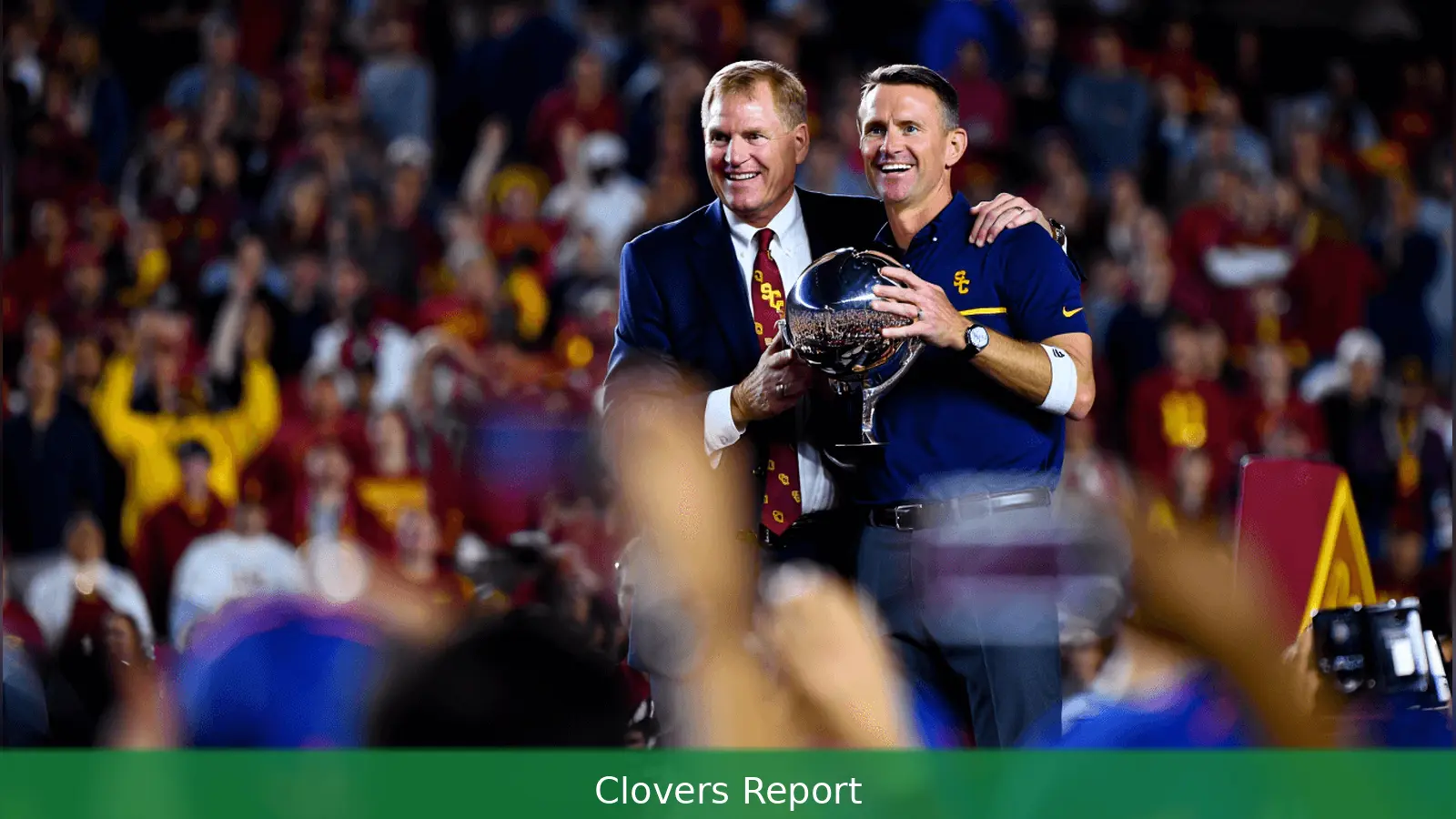
USC’s 2026 recruiting class landed at the top of the national rankings and set a high bar for talent and depth. This guide breaks down what the class means and how NCAA recruiting works. For players in Ireland, it also covers the practical steps, timelines, and paperwork needed to join a top US program. It covers athletic prep, academics, visas, costs and the coach‑contact process so you can plan from age 15 through enrolment.
Quick reference
Fast facts and links you’ll use straight away. Pin this to your phone or share it with a coach.
- USC 2026 class: finished as a top‑ranked class nationally — major recruiting services placed USC at or near No.1 in the 2026 cycle.
- Key NCAA step: register with the NCAA Eligibility Center — https://www.ncaa.org/student‑athletes/eligibility.
- Apply to USC via the Common App — https://www.commonapp.org — and USC admissions: https://admission.usc.edu.
- Visa steps: pay the I‑901 SEVIS fee (F‑1) US$350 (≈€322 at US$1 = €0.92); then apply for a US student visa (F‑1). Visa application (MRV) fee is US$185 (≈€170). Book appointments at US Embassy Dublin — https://ie.usembassy.gov.
- Irish documents: apostille and authentication through the Department of Foreign Affairs — https://www.dfa.ie/services/authentications/apostilles/.
- Scholarship note: scholarship limits vary by sport — for example, FBS football programmes may award up to 85 full scholarships; men’s basketball has 13, women’s basketball 15.
- Timing: start contact aged 15–18; most serious recruiting activity happens in junior and senior years of secondary school.
Prerequisites
To be considered for USC’s roster as an Irish student‑athlete in 2026 you need to tick three boxes: athletic profile, academic qualification and eligibility paperwork.

Coaches look for up-to-date, measurable evidence like recent game film from multiple angles, verified stats, experience in championships or national squads, and participation in recognized US or European showcases. Physical measurables — height, weight, position‑specific times (40m, 100m, sprint times for soccer/field players) — help. Keep an organised folder: CV, highlight video (2–4 minutes), full‑game clips, coach contact details, and a schedule of upcoming events.
Academic qualification: USC admits academically competitive students. From an NCAA standpoint, register with the NCAA Eligibility Center and meet Division I academic‑core requirements: a mix of core courses, minimum GPA and amateurism verification. You’ll need certified secondary school transcripts, exam results or predicted grades (e.g. Leaving Certificate predicted points or equivalent), and translated documents if they’re not in English. International applicants should check whether USC requires the Common Application, the School Report and counsellor recommendation, and any institutional financial forms like the CSS Profile for scholarship consideration by the university.
Honestly, eligibility paperwork: once admitted and cleared by the NCAA, USC issues an I‑20. Before you book a visa interview you must pay the I‑901 SEVIS fee (US$350) and then apply for the F‑1 visa at the US Embassy in Dublin. Have original school records, passport (valid for at least six months beyond intended arrival), proof of funds or scholarship letter, and the I‑20 on hand for the interview.
Step‑by‑step: how an Irish player joins USC’s recruiting class (numbered roadmap)
Follow these steps in order. Start early — top recruits begin contact as early as age 15.
- Build a performance record (ages 15–18). Play at the highest local level: club, provincial and national squads. Keep season stats, awards and coach evaluations. Attend national trials and Irish senior under‑age tournaments. Coaches value consistent, recent performance more than one standout season.
- Make a highlight video and full‑game clips. Create a 2–4 minute highlights reel showing your best plays. Also keep at least one full‑game video for coaches who want context. Host videos on Vimeo, YouTube (unlisted) or Hudl and provide links in emails.
- Create a recruiting package. One‑page PDF with: name, position, height, weight, contact details, club, national team experience, season stats, highlight link, academic summary (grades, predicted results), and availability for visits. Save as both PDF and Google Drive link.
- Register with the NCAA Eligibility Center. Open an account early (junior year or earlier). Upload transcripts and any required exam reports. The Centre must clear you academically and for amateur status before you can compete in Division I.
- Contact US coaches directly — the right way. Email coaches, not administrators. Keep messages short. Lead with a one‑line hook: position, class year, highlight link, top measurable (height/time) and best recent result. Follow up after two weeks if there’s no reply. Attend coach‑run camps and ID days when possible — these accelerate interest.
- Attend showcases and camps. US summer camps, IMG Academies, or European pro camps give visibility. If travel costs are an issue, use regional showcases and invite US coaches to review film.
- Academic application and testing. Apply to USC via the Common App and submit required school reports and references. If tests are requested, schedule them early. International applicants should arrange certified translations and leave time for apostilles on official records.
- Official visits, offers and scholarships. If a coach is interested they’ll offer either a verbal offer or a scholarship package (full or partial). For a scholarship offer, request a written offer outlining terms, years covered and renewal conditions. USC, like most Division I schools, issues athletic scholarships annually and ties renewal to team membership and academic progress.
- Decision and commitment. Once you accept an offer, communicate in writing. For sports that use the National Letter of Intent (NLI), there will be signing windows — the coach or compliance officer will guide you. Verbal commitments aren’t binding until paperwork is signed.
- Finalize eligibility and admission. After committing, ensure the NCAA Eligibility Centre has cleared you. USC will issue an I‑20 once admission is complete. Confirm start date and arrival instructions with the athletic department.
- Visa and travel arrangements. Pay the I‑901 SEVIS fee (US$350). Complete the online DS‑160 visa application and pay the MRV fee (US$185). Book your F‑1 visa appointment in Dublin — expect to schedule weeks to months ahead depending on demand. Carry scholarship letters, proof of funds and transcripts to your interview.
- Arrival and settling in. Organise housing, health insurance and arrival plans with the team. Most fall terms start late August. Attend pre‑season medicals and team orientation; these are mandatory for clearing to play.
Tips
- Keep contact brief and factual. Coaches read hundreds of emails — lead with impact.
- Track deadlines in a calendar. Application, scholarship and visa steps each have lead times of weeks or months.
- Budget realistically: travel to camps, apostilles, visa fees and initial living costs in LA. Consider that private US university tuition and fees often run into tens of thousands of dollars per year; confirm exact costs with USC’s financial services.
- Use your Irish connections: national coaches and ex‑US players can open doors. Ask for introductions and reference letters.
- Be honest about your academic profile. If you need extra science or language credits to meet NCAA core requirements, arrange them early.
Common mistakes to avoid
- Waiting too long to register with the NCAA Eligibility Center — delays can block offers.
- Sending poor‑quality video or irrelevant older clips. Keep footage recent and labelled by date and competition.
- Assuming a verbal offer equals a scholarship. Always get terms in writing.
- Underestimating visa timelines — appointments can take weeks in peak seasons.
- Failing to budget for initial living costs and deposits. Scholarship packets sometimes cover tuition but not travel or housing deposits.
USC’s 2026 class showed how a clear recruiting plan and international scouting meet in the middle — timing, exposure and clean paperwork matter as much as ability. For Irish prospects: start building film and stats in mid‑teens, register with the NCAA Eligibility Center well before your final year, prepare transcripts and apostilles through the Department of Foreign Affairs, and factor in I‑901 (US$350) and visa fees (US$185). Keep contact concise, chase official written offers, and plan to arrive for USC’s fall term (typically late August) once the I‑20 and visa are in hand.
This article was created with AI assistance.


