
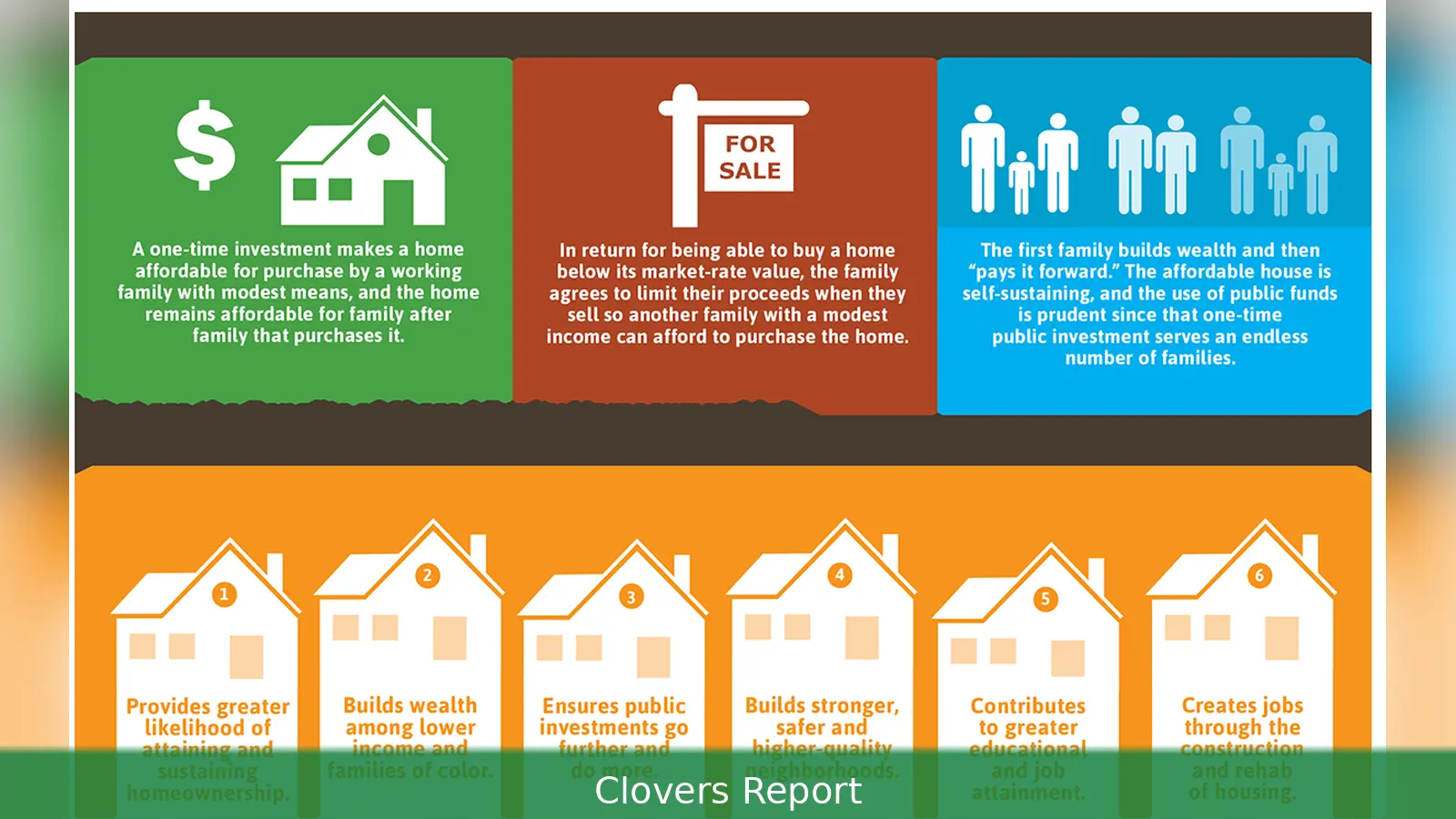
Here’s the gist: shared equity lets someone else buy part of your home, so you don’t have to borrow as much. In Ireland that can mean a government-backed shared-equity scheme for first-time buyers or a private home‑equity investment. Typical deals: government schemes often offer up to 20–30% of the purchase price; private investors commonly offer up to 25% for a 10– to 30‑year term, with origination fees of about 3–5% and no monthly interest. Keep reading for simple steps, euro costs, tips on eligibility, common pitfalls, and other options.
What is shared equity?
Shared equity is simply an arrangement where two parties own a home together. One party — usually the buyer — lives in and manages the house. The other party — a government body, developer or private investor — provides money in exchange for a percentage share of the property’s value.
So instead of borrowing the whole purchase price from a bank, the buyer borrows less (or takes a smaller mortgage) because someone else has bought part of the property. When the house is sold or the agreement ends, the investor gets their agreed share of the sale price or current value.
There are two common flavours in Ireland today: (1) public/shared‑ownership schemes run through gov.ie and local authorities aimed at first‑time buyers, and (2) private “home equity investment” products where an investor takes a stake and shares future gains or losses.
How shared equity works — step by step
Right now, shared equity deals vary, but the typical steps look like this.
- Find a shared equity product: either an Irish government scheme (details on gov.ie) or a private investor offering an equity stake.
- Agree the purchase price and the investor’s percentage. Government schemes commonly provide between 10% and 30% of the purchase price. Private providers often advance up to 25%.
- Sign legal agreements setting out rights, how future value is calculated, exit rules and any fees.
- Buyer arranges a mortgage on their share. Lenders will underwrite the buyer’s income and credit for the portion they finance.
- At sale or at the end of the term you pay the investor their percentage of the market value. If the house rose in value, they share in the gain; if it fell, they share the loss.
Money, fees and typical terms — blunt numbers
Here are the sorts of figures you’ll see in 2026 deals in Ireland and internationally:
- Equity stake: government schemes often up to 20–30% of the purchase price; private investors commonly up to 25%.
- Term length: private home‑equity investments usually run 10 years, sometimes up to 30 years. Government arrangements are often open until sale or for a long fixed term.
- Fees: private providers charge origination fees of roughly 3–5% of the advanced amount. Expect closing costs, valuation fees (€150–€400) and legal costs (€1,000–€2,500).
- Interest: many private equity products don’t charge ongoing interest or monthly repayments. Instead, the investor takes a share of future value. Government schemes usually don’t charge commercial interest but have legal conditions attached.
- Repayment: on sale or exit you repay the investor their agreed percentage of the current market value — not the original loan amount. Example: if an investor took a 25% stake in a €300,000 house, they’d be due 25% of the sale price when you sell.
Why shared equity matters — who it helps
Shared equity helps reduce the size of the mortgage you need right away. This can make a big difference for first-time buyers who can’t afford high prices.

It also cuts down your monthly mortgage payments since you’re borrowing less.
But there’s a catch. You’ll have to share any future increase in your home’s value. So if house prices jump, the investor gets a chunk of that profit.
Eligibility and conditions (Ireland)
Government shared equity schemes target people who can’t otherwise afford a home. Typical conditions include:
- First‑time buyer status in many schemes.
- Income caps and property price caps — these vary by county and scheme. Household income limits are commonly set to prioritise low‑ and middle‑income buyers.
- Main residence requirement — the property must usually be the buyer’s principal private residence.
- Legal, valuation and mortgage checks.
Exact caps and eligibility rules change by scheme and region; check gov.ie or your local authority for the up‑to‑date limits in your county.
Common mistakes to avoid
Many buyers rush in without thinking about long‑term costs. Watch for these pitfalls.
- Assuming it’s cheaper in the long run: shared equity reduces the mortgage now but you may pay more if the property appreciates — because the investor takes a share of that growth.
- Ignoring fees: legal, valuation and origination fees add up. A 3–5% origination fee on a €50,000 advance is €1,500–€2,500.
- Not reading exit rules: some agreements require you to sell or refinance within a set period. Early termination can trigger penalties or higher payments.
- Overlooking mortgage terms: lenders may treat the investor stake differently when underwriting your mortgage. That can affect how much you can borrow.
- Assuming investor won’t influence sale decisions: some contracts grant the investor rights around approving sales or valuations — know them before signing.
Alternatives and how they compare
Shared equity isn’t the only way to get on the ladder. Look at these options:
- Help to Buy and government supports: tax refunds and grants aimed at new builds — these reduce upfront costs but don’t take a share of future value.
- Shared ownership / affordable purchase schemes: buy a percentage (say 70%) from a housing body and pay rent on the rest. You can often later ‘staircase’ to full ownership.
- Deposit gifts or family loans: family help can reduce mortgage size without a public stake — but mix of family and money can be tricky.
- Standard mortgage top‑up or longer term mortgage: keeps full ownership but increases monthly payments and interest costs.
How to get started — practical steps
- Decide which type fits: public scheme or private investor. If you’re a first‑time buyer with modest means, start at gov.ie and your local authority.
- Get a mortgage in principle for the share you’ll own — that tells you what banks will lend.
- Ask for worked examples: get a clear table showing payments at sale under different price scenarios (flat, +10%, +30%).
- Hire a solicitor experienced in shared equity. Expect to pay €1,000–€2,500 for conveyancing and advice.
- Check valuation rules: confirm who pays for valuations and how market value is established at exit.
- Run the numbers: compare monthly cost, likely appreciation and your exit options. If you plan to move in 3–5 years, make sure the contract doesn’t penalise early sale.
Common questions
Will I own the house? Yes — you own a percentage. The investor owns the rest. Legal title arrangements vary; your solicitor will explain whether you’re on the title deeds and how ownership is recorded.
Can I make alterations? Usually yes, but some agreements require investor consent for major changes. Check the paperwork.
What if the house loses value? You and the investor share the loss proportionally — that’s the flip side of sharing gains.
Can I buy the investor out? Often yes — buy‑out formulas are set in the contract. You’ll typically pay the investor their percentage of current market value, so you’ll need cash or a mortgage top‑up.
Shared equity can widen options for buyers who can’t manage a full mortgage immediately. But it’s a long‑term deal — you trade future upside for lower upfront costs. Read the contract, get independent legal advice, and run scenario figures in euros before you sign. For official details of public schemes and the exact caps that apply in your area, see gov.ie or contact your local authority.
This article was created with AI assistance.


