
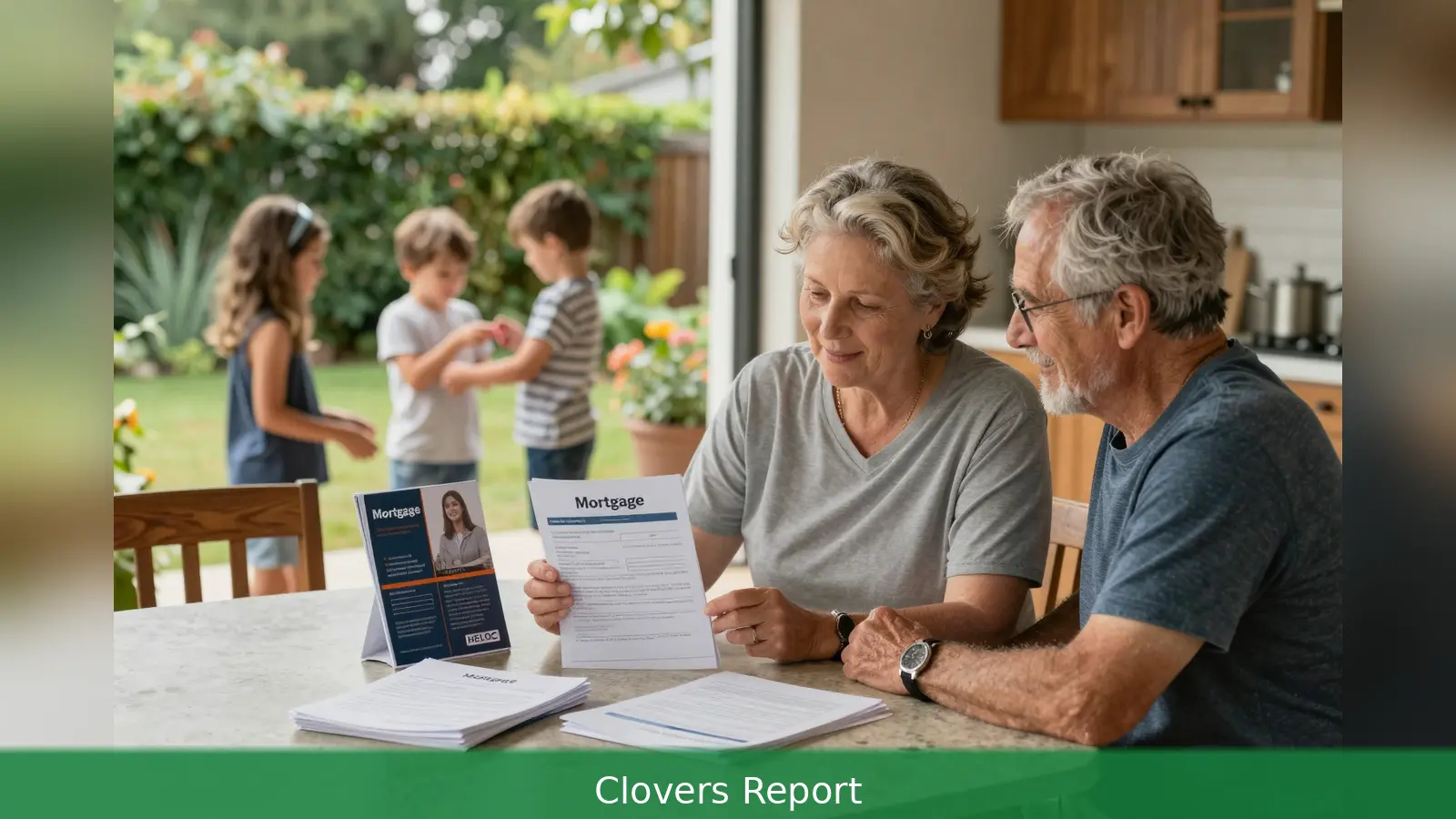
Three routes into home equity, refinancing, a HELOC and a reverse mortgage, all convert a house into spending power, but each will shrink what remains for heirs. Many homeowners in their 70s face the question of whether to use that cash for one last family experience. A Medium personal‑finance column lays out the trade‑offs and urges anyone borrowing to set a clear goal, budget carefully and model how new payments would affect monthly cash flow.
Three. Those are the primary equity-access channels the Medium piece sets at the centre of the decision: refinancing an existing mortgage, opening a home equity line of credit or HELOC, and taking a reverse mortgage. Each route converts home value into spending power, but they do so with very different costs and implications for day-to-day cash flow, long-term flexibility and what's left to heirs.
What tapping equity really costs
Refinancing can lower or raise the rate you pay, change the term of the loan and alter monthly payments. The Medium column points out that closing costs and the administrative hassle matter too. For someone who plans to stay in the house, refinancing to take cash out is effectively replacing one form of housing equity with another, and that can leave less financial room for unexpected home repairs or health expenses.
A HELOC typically offers revolving credit, which feels flexible because you borrow only what you draw, but the price is usually a variable interest rate. The Medium writer highlights that variable rates expose older borrowers to rate shocks and repayment expectations that can tighten household budgets. Lenders may also set draw periods and repayment schedules that begin to bite just when predictability matters most.
Reverse mortgages convert part of the home into cash without monthly repayments in many cases, but they reduce estate value. The column notes a direct consequence: a reverse mortgage can change what children or other heirs inherit.

That effect isn't merely theoretical; for many families the house is the largest asset and the default assumption that it's “available money” underestimates the downstream cost to the estate.
Those trade-offs translate into concrete household risks. Using equity for an experience can tighten monthly cash flow, reduce emergency reserves and leave less cushion for unexpected care needs. For households that hold most of their wealth in bricks and mortar and have limited liquid retirement savings, the decision is therefore as much about values as arithmetic.
Lower-cost ways to make a lasting memory
There are alternatives that create durable memories without converting home equity into debt. A family-activities guide cited in the brief argues that simple shared activities, such as cooking family recipes together or allocating time for storytelling, strengthen intergenerational bonds and cost very little. Those experiences produce the same emotional currency many people seek from a large trip.
For a tangible legacy, a memory-book service recommends recording life stories and assembling photos into a printed or digital album. Doing this incrementally avoids a single large outlay and produces something grandchildren can return to long after the day itself. The same brief notes that for people with cognitive decline, structured reminiscence exercises and guided quizzes used by aged-care facilitators can prompt rich conversation and emotional connection at minimal cost, drawing on an activities resource for aged-care staff.
The Medium column sets out a short practical checklist for anyone still leaning toward borrowing. First, clarify the goal and budget for the experience so the numbers match the emotion. Second, model how new payments or variable rate draws would affect monthly cash flow and how that interacts with emergency reserves. Third, compare product terms, interest rates and fees carefully, and explicitly calculate how a reverse mortgage would change estate value.
The writer emphasises building a structured plan because the impulse to create a meaningful final experience is powerful. Feeling alone shouldn't drive a financial decision that reduces future flexibility. In some cases the exchange can be worthwhile, but it's not automatic.
Related Articles
- 2.4m U.S. children in grandfamilies squeeze retirees' finances
- US$100m penalty widens discounts on Western Asset bond funds
- Three drugmakers hit record highs as investors ditch tech
Refinancing, a HELOC and a reverse mortgage are the three concrete routes the Medium column places on the table; deciding which, if any, is right requires a clear goal, a budget and a careful test of how new costs would affect monthly cash flow and the value left for heirs. Originally reported by medium.com.
This article was created with AI assistance.


