
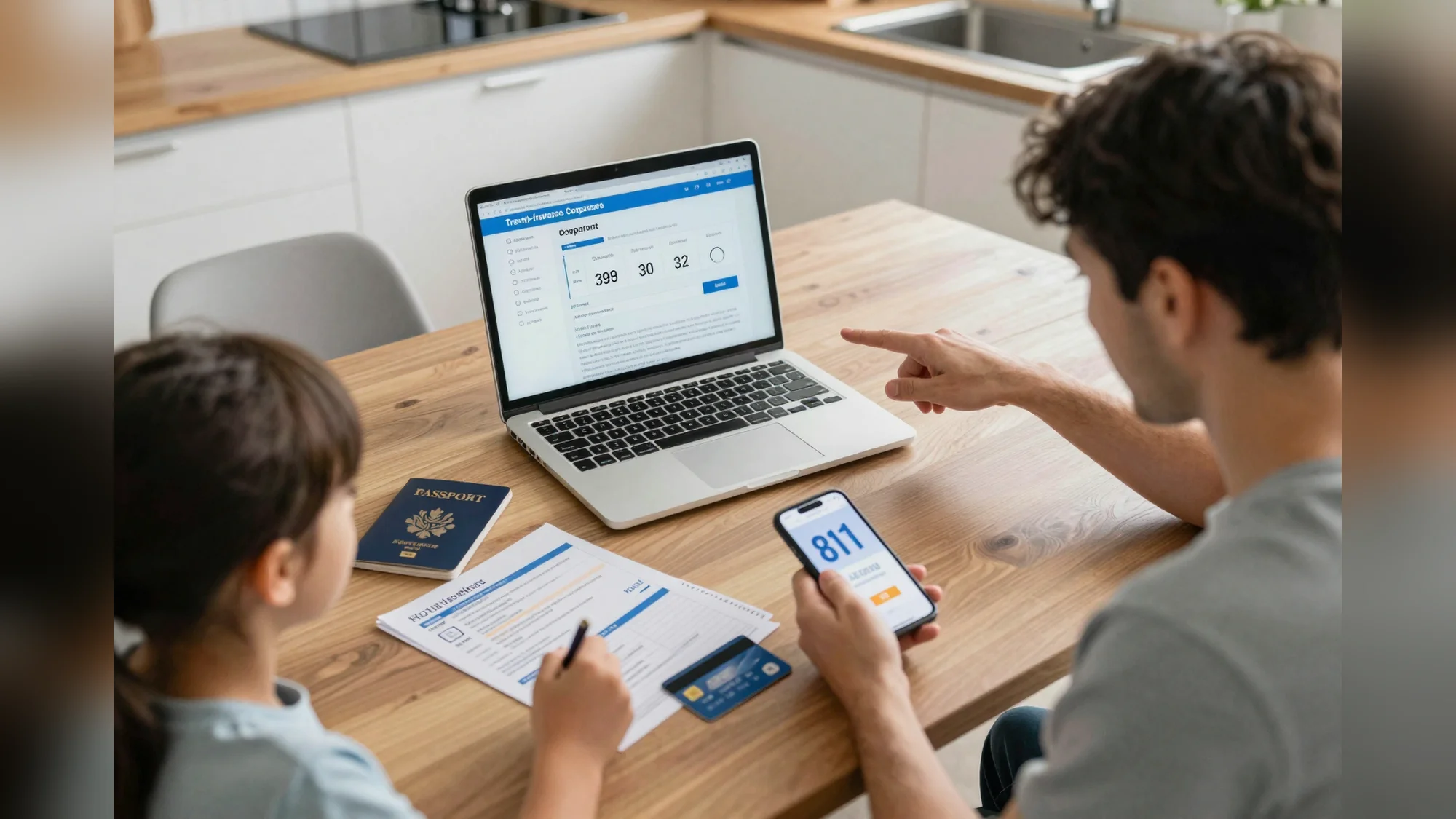
$9,668 is the average cost of a summer trip in 2026, a 24% rise from 2025, Squaremouth's US data show. That jump changes the math: an ordinary cancellation can become a four-figure loss for many households, even though sales of comprehensive trip-cancellation policies fell to a seven-year low in Q1 2026. Morningstar and MarketWatch say travellers with nonrefundable prepaid costs should treat insurance as a modest safety net, since premiums typically run 4% to 6% of prepaid trip costs. Buy inside the early purchase window for the fullest protections, Squaremouth's chief marketing officer Jackie Mondelli says.
9,668 matters because it changes the math of risk. When the average holiday costs almost ten thousand, a single cancellation or cut-short trip can wipe out a household's discretionary cushion. Squaremouth's figures also show a paradox: while trip prices climbed, sales of comprehensive trip-cancellation policies dropped to a seven-year low in Q1 2026, leaving more travellers exposed.
Who should buy travel insurance? Travellers who have nonrefundable prepaid flights, hotels or tours, and anyone who couldn't easily absorb a large loss, should strongly consider it, Morningstar and MarketWatch reporting advise. MarketWatch notes premiums are typically about 4% to 6% of prepaid nonrefundable trip costs, which is a modest addition relative to a high-cost holiday. Still, behavioural data are clear: an Upgradedpoints survey cited by MarketWatch found 63% of American travellers didn't buy insurance in 2025.
When must you buy to get the strongest protections? Buy early.
Squaremouth's chief marketing officer, Jackie Mondelli, says 14 to 21 days after your first trip deposit is the critical window to lock in upgrades such as Cancel For Any Reason, Interruption For Any Reason, and pre-existing condition waivers. Those add-ons are often available only if you purchase the policy within that early period because insurers treat known events as no longer unforeseen.

Why does timing matter in practice? Allianz Partners USA's Daniel Durazo explains the logic: if a disruptive event is known before you buy the policy, "that event is generally no longer considered unforeseen," and claims tied to it can be denied.
That's why last-minute purchases commonly leave travellers with narrower cover, and why interest in Cancel For Any Reason surged nearly 30% after geopolitical shocks in March 2026, insurers and comparison sites reported.
What common mistakes cost travellers the most? Waiting past the 14-to-21-day window and choosing limited plans that omit trip cancellation are the frequent errors flagged by Squaremouth and travel-insurance advisers. Many people assume credit-card protections are enough, but card benefits often cover delays or baggage and offer limited or capped trip-cancellation reimbursements, a mismatch that can leave families on the hook for thousands.
What practical steps should households take before leaving? First, buy cancellation-sensitive coverages within the 14-to-21-day window after your first deposit if you want CFAR, IFAR, or pre-existing condition waivers.
Second, confirm whether a chosen plan covers named risks such as extreme weather or airline insolvency and check exactly what your credit card will and won't reimburse. Third, keep documentation for prepaid bookings and note insurer definitions of "covered event," because claim outcomes often hinge on timing and wording, MarketWatch and Morningstar reporting recommend.
Related Articles
- 2.4m U.S. children in grandfamilies squeeze retirees' finances
- Record beef imports fail to curb US Fourth of July price rise
- 39.1 trillion vs 31.6 trillion: Yass on US debt risk
Most CFAR, IFAR and pre-existing condition waivers require purchase within 14 to 21 days of your first trip deposit, Squaremouth's Jackie Mondelli says. If you have large nonrefundable costs, that deadline is the single practical fact to act on before you leave. Originally reported by MarketWatch.
This article was created with AI assistance.


