
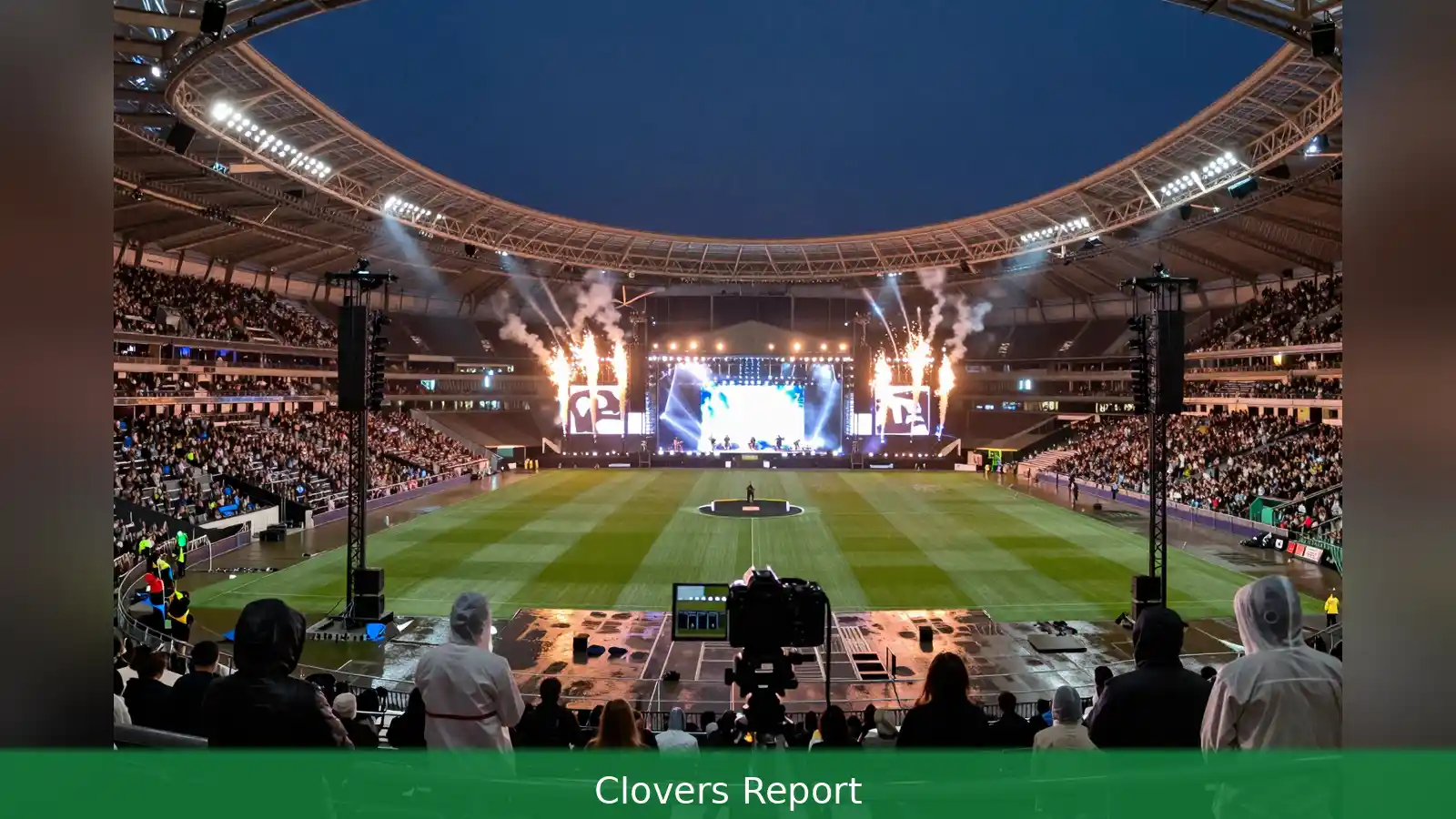
A maximalist stadium spectacle and a deliberately selective setlist, both at once. That was the prevailing impression of Metallica’s No Repeat Weekender at the Aviva Stadium in June 2026: two headline nights built as a single theatrical machine but curated so that certain classic anthems did not appear on both bills. The band played June 19 and June 21 as part of the M72 World Tour, offering distinct line-ups and full, separate set lists across the two dates, with one-day tickets reported above about €190 and on-field standing from roughly €260. If you plan for a similar stadium run, the practical steps are simple and specific: download your mobile ticket, pick your transport in advance, pack only permitted items and expect a show that stitches pyrotechnics into the theatrical production.
A maximalist spectacle and a tight curatorial choice, both true at once: that contrast is the clearest way to describe Metallica’s Dublin weekend.
1. Tickets, tiers and what they mean for your night
The Dublin dates were sold as a two-night event under the No Repeat Weekender banner, which meant every ticket-holder should expect two completely distinct set lists and separate support acts across June 19 and June 21. Organisers used standard tiers through Ticketmaster: one-day and two-day options were available, with public reporting placing official one-day tickets above about €190. Two-day resale tickets at times traded from around €150, while on-field standing tickets were roughly €260 and up. The two-day ticket provided access to both performances; a single-night ticket couldn't be detached and any permitted transfer needed to include access to both dates.
Practically, that ticketing model is a demand signal: the curatorial intent was explicit. The No Repeat Weekender format rewards commitment. If you only wanted the band’s most familiar hits, a one-night purchase might feel like a gamble. If you wanted breadth, the two-night route was the economical way to guarantee it.
There are two more ticketing housekeeping points to keep in mind. First, the operator strongly advised downloading mobile tickets into the Ticketmaster app because barcodes refresh dynamically and screenshots won't work. Second, box offices were staffed on Shelbourne Road and Herbert Road to serve customers holding or collecting hard-copy tickets, so there was a physical alternative if the app proved difficult.
2. Getting there, getting in and how the Aviva runs a concert night
Gates opened at 5pm with support acts scheduled from about 6pm; Metallica typically took the stage later in the evening. On the Friday show the band began at 8.15pm and finished near 10.30pm. Entry was strictly managed. Patrons were assigned arrival routes by the ticket background colour and required to enter through the gate printed on their ticket. Arrival windows and approach corridors were enforced, and security searches were thorough.
The Aviva operated as a cashless venue for the weekend and had a no re-admission policy, so leaving the stadium meant foregoing the rest of the night. Public-transport options included the DART and city buses, and organisers warned against illegal or residential parking. Local traffic cordons were in place at least two hours before showtime, and event guidance recommended planning return travel in advance and allowing extra time because some nearby stations close after concerts.
Those instructions aren't theatre. They change how you plan the evening. Book a return, check the last services for your station, and treat the no re-admission rule as absolute. If you want a quick exit after the encore, you need a plan before you walk through the gate.
3. What happens on the pitch: stage, sightlines and the live drama
The production placed a large circular stage in the middle of the pitch with a VIP Snake Pit at its centre, seating or standing all the way around and multiple towering video and speaker rigs to give visibility to the bowl. The show opened to Ennio Morricone’s The Ecstasy of Gold and hit high-energy material early on, with songs such as "Creeping Death", "Harvester of Sorrow" and "Leper Messiah" arriving in the first third of the set. This band frequently roved the in-the-round stage which kept the night feeling immediate even for fans seated in the bowl.
Production was a major part of the appeal. Moving platforms, the central pit, high video towers and generous pyrotechnics during specific songs made the visual experience one of the night’s main attractions. Reviewers across both nights noted that those effects were not mere decoration: they were used to choreograph attention, to punctuate solos and to turn certain moments into communal theatrical beats.
Weather played its part. Rain battered the stadium on at least one night and left stage and pitch sodden. That downpour didn't stop the band and, in some lyrical moments, reviewers found the rain uncanny rather than disruptive. Still, expect wet weather to alter sightlines and acoustics and to make the floor slippery in standing areas.

4. The setlists: deep cuts, new material and the absence of some staples
Because the No Repeat Weekender explicitly aims to avoid repeating songs across the two nights, the Dublin shows leaned into deep cuts, instrumental tributes and material from the band’s 2023 album. That approach divided opinion. For many attendees a high point was a crowd singalong during "Nothing Else Matters" and a climactic performance of "Orion", which reviewers said generated the loudest response of the night. On the other hand, some newer songs didn't connect as strongly with the full stadium, and mid-set jams on covers or extended solos were judged uneven by some listeners.
Put another way: the evenings were richer for listeners who wanted breadth and surprises, less satisfying for those who had come only for a single list of the band's most familiar arena staples. The curatorial choice was deliberate and public: Metallica wanted people to attend both nights. If your single ambition is to hear every classic, the format means compromise unless you buy in for both dates.
James Hetfield’s between-song remarks underlined the intent to keep the relationship with the crowd intimate. He called the audience "the Metallica family" and later said, "I have the best job in the world and I know it," lines reviewers picked up as evidence the band still prize that direct, club-like connection even inside a massive stadium production.
Merchandise on site followed the familiar festival price model. Tour T-shirts and limited-edition posters were on sale. Because the venue was cashless, card payments were the only option at stalls, so bring a contactless card or have your mobile wallet set up. The Snake Pit and premium on-field experiences were stocked by competition winners and higher-paying customers; expect those spaces to be denser and noisier than seated areas.
Organisers published a short prohibited-items list. Large bags and backpacks were forbidden; the maximum bag allowed was about A4 size. Prohibited items included glass, cans, umbrellas, flag poles and professional audio or photography equipment. Soft, collapsible water carriers were permitted in all areas and free water refill points were available on the pitch. Camping, collapsible chairs and early queuing were not allowed; patrons arriving before gates opened could be turned away from restricted areas. Dress for Irish weather and expect the events to proceed rain or shine.
Security and stewarding were vigilant. Additional searches might be conducted inside the venue and fans should expect to be screened on entry. That's standard for the size and scope of the production, but it will affect how fast you move through the gates and how likely you are to enter with a large bag or forbidden item.
First, confirm your ticket type and download the mobile ticket into the Ticketmaster MyAccount because barcodes refresh and screenshots won't scan. That single step prevents an avoidable last-minute panic at the gate.
Second, choose and book your transport route and return travel in advance because local stations and routes operate altered services after concerts and traffic cordons are enforced. If you need the DART, know the last service times for your station and allow extra time for dispersal.
Third, pack only permitted items: an A4-sized bag, a soft collapsible water skin, and weather-appropriate layers. Leave prohibited items at home. Free water refill points mean you can avoid buying bottled water at higher festival prices.
Fourth, arrive in the advised time window and enter the gate printed on your ticket background colour. Expect strict searches and remember there's no re-entry if you step outside.
Finally, set expectations: the performance is staged in the round, the set lists may include deep cuts and newer material as well as hits, and production elements including towers, moving platforms and pyrotechnics are central to the experience. If rain arrives, accept it as part of the show rather than a show-stopper.
I'll save you the trouble of overpacking: extra layers, a small A4 pouch for essentials and a charged phone with your Ticketmaster app are the three items that will most improve the night.
In short, attending this format of tour is as much about planning as it's about the music. The production rewards presence and preparation.
In Short First, download and use the Ticketmaster mobile ticket. Second, plan and book your transport in advance. Third, pack only allowed items and dress for wet weather. Fourth, expect strict search procedures and no re-admission. Fifth, if you want every classic, buy both nights.
Related Articles
- Cloudways vs Hostinger 2026: save time or money for a solopreneur
- Scotland 0-1 Morocco: Brazil now decides Scotland's fate
- AI Advantage: 8 steps to scale without hiring
If you are planning to attend a similar No Repeat Weekender, the immediate next step is to download the mobile ticket and check the event operator’s latest prohibited-items list and transport notices before you travel.
This article was created with AI assistance.


