
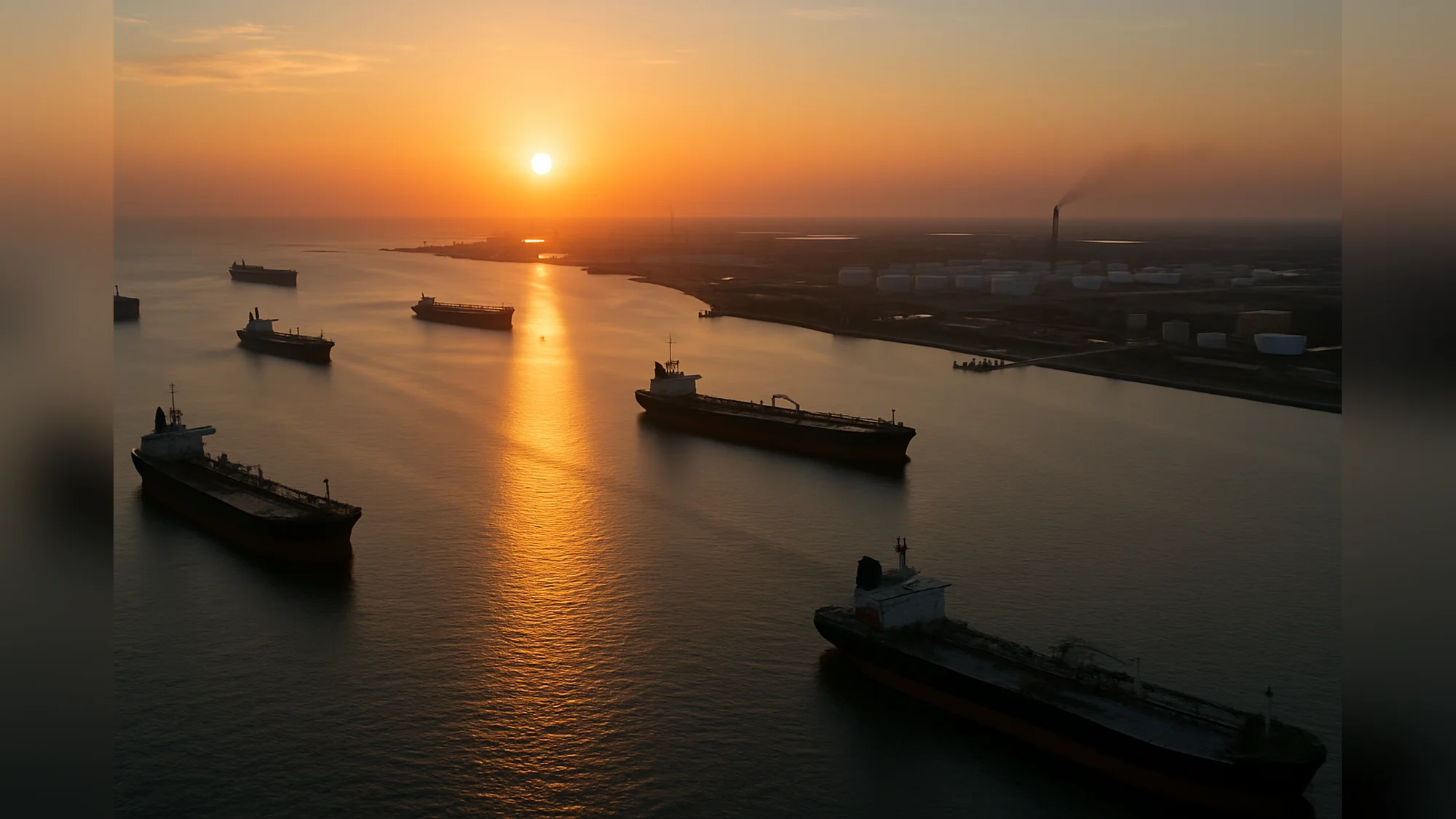
20 percent of global oil and LNG shipments passed through the Strait of Hormuz before the Iran conflict, a figure that explains why Gulf producers are racing to build alternate export routes. The International Monetary Fund and Japan's Petroleum Association told reporters in mid-July 2026 that new pipelines and routes, including Fujairah and Red Sea options, are already changing risk for refiners, shippers and consumers. IMF official Jihad Azour said the expansion of alternate infrastructure has reduced market sensitivity to disruptions but warned of a possible rise in inflation. Japan's refiners are revising sourcing and supply arrangements, and Tokyo plans an energy resilience package by the end of August 2026.
One-fifth of global oil and LNG shipments transited the Strait of Hormuz before the Iran conflict, a concentration that made the waterway a critical chokepoint and the immediate target for strategic change.
Who feels the change first?
Households and businesses face indirect exposure through fuel prices and inflation, while refiners and shipping firms confront direct operational disruption and procurement shifts. Jihad Azour, director of the IMF's Middle East and Central Asia Department, told Al-Monitor on 16 July 2026 that the build-out of alternate export infrastructure has made oil markets less sensitive to stoppages in the strait, even as he warned of a potential pickup in inflation if disruptions persist.
Which infrastructure projects aim to bypass Hormuz?
The United Arab Emirates is accelerating a pipeline intended to double export capacity via Fujairah by 2027, and Saudi Arabia is weighing expanded pipeline capacity to its Red Sea coast. Reuters reported on 15 July 2026 that Gulf producers have asked Japan to participate in or support those pipeline expansion projects. Other schemes include further Fujairah and Red Sea options, designed to move crude without transiting the Hormuz chokepoint and to offer buyers alternative physical routes.
How are Japanese refiners responding?
Shunichi Kito, president of the Petroleum Association of Japan and chairman of Idemitsu Kosan, said on 15 July 2026 that diversifying supply sources is a priority and that the sector will explore supporting Middle Eastern pipeline projects with government help. He named US crude as an option but cautioned that many Japanese refineries are configured for Middle Eastern grades and can't absorb large volumes of US barrels without adjustments. Kito also said refiners plan to secure tanker capacity, deepen ties with producing nations and improve refinery flexibility to strengthen supply chains.
The IMF said in mid-July 2026 that the Middle East conflict had knocked down its global growth outlook and that new export channels have cushioned supply shocks. That cushioning has lowered short-term price volatility compared with the start of the conflict, according to the IMF, but the fund warned of inflation risks if disruptions persist. For buyers such as Japan, the practical effect is a gradual easing of immediate supply disruption risk, even as procurement and refining strategies are reworked.
Japan's wider policy approach combines targeted financial support for refinery procurement and resilience measures with direct energy diplomacy. A Japan: ASEAN initiative announced in April 2026, billed as a US$10 billion Partnership on Wide Energy and Resources Resilience Asia, has already backed at least one operation to support crude procurement for Vietnam's Nghi Son refinery, according to a commentary published on 16 July 2026. Those moves signal a longer-term strategy of using finance and infrastructure support to diversify trade and energy links beyond emergency spot purchases.
Related Articles
- Yen Jumps 3% After Tokyo’s $35bn Buy
- Aramco profit up 26%, warns Hormuz disruption to 2027
- Yen Jumps 3% After Japan Intervenes
Refiners and governments expect Tokyo's energy resilience package, due to be finalised by the end of August 2026, to shape whether and how Japan participates in Hormuz-bypass projects and other supply-chain adjustments. Originally reported by Reuters.
This article was created with AI assistance.