
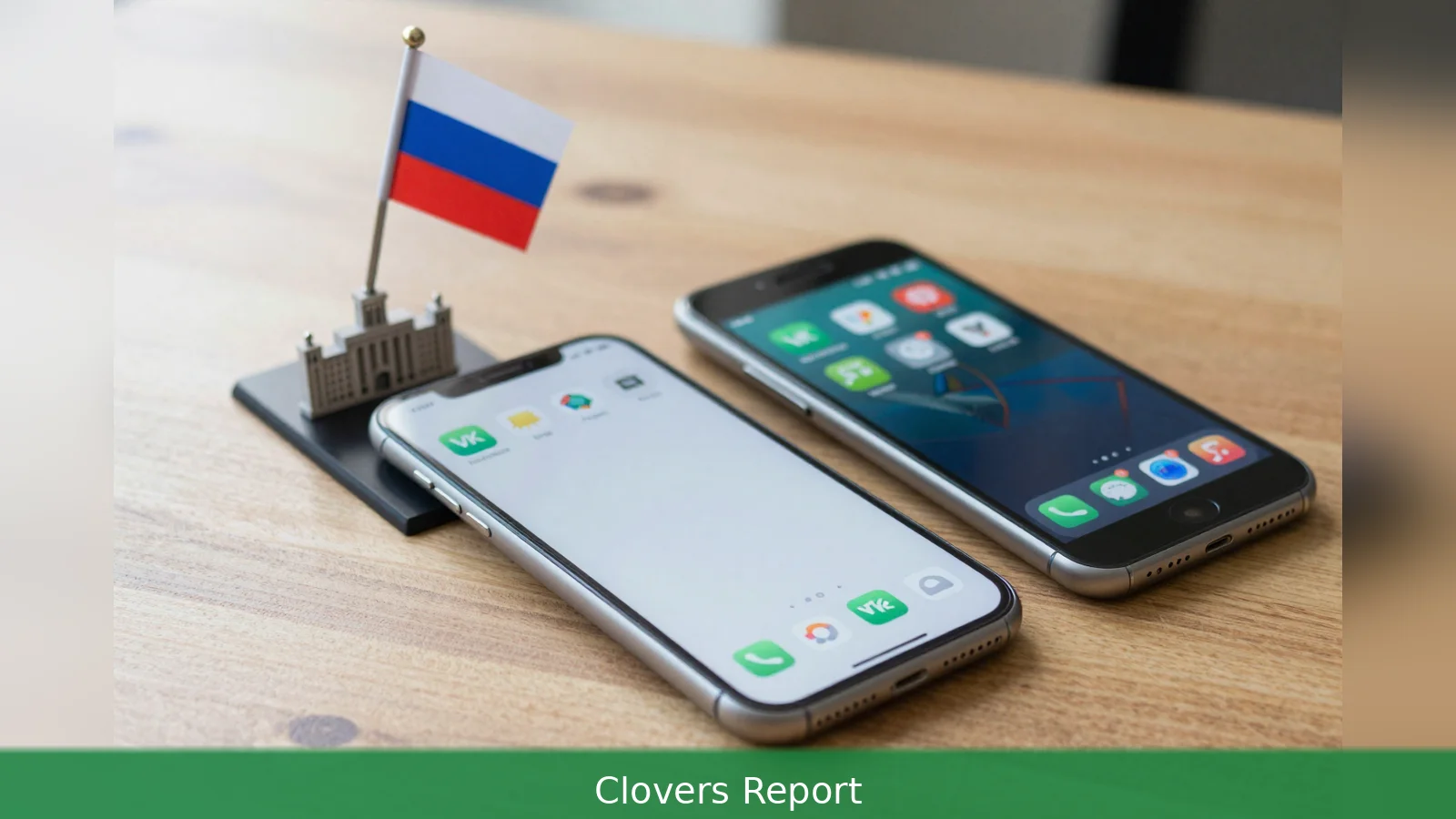
Apple has removed core Russian apps from its iOS App Store, while the Kremlin has urged citizens to abandon iPhones and switch to Android. The takedowns include the state-linked messenger Max in early June and the VKontakte family of apps on June 25, and Apple has also cut push notifications for already installed copies, according to Apple’s 2025 App Store Transparency Report and contemporaneous notices. Russia asked Apple to remove 1,213 apps in 2025, the transparency filing shows, and Apple said it acted to comply with applicable sanctions and laws in the markets where it operates. Moscow has responded with demands for explanations and complaints to the Federal Antimonopoly Service, and has encouraged users to migrate to Android and domestic app stores.
IPhone owners in Russia can still open apps they installed before the removals, but without push notifications the services lose the real-time alerts and messaging that make them useful.
Apple removed Max in the first week of June, and took down VKontakte and associated VK services from the App Store on June 25, the company’s transparency filing and contemporaneous notices show. For users who already have those apps on their devices the software itself remains functional, but Apple has disabled push notifications for installed copies, sharply limiting messaging, alerts and the other immediate updates people rely on.
The App Store is the only official marketplace on iOS, so there's no sanctioned route for someone with a newly bought or reset iPhone to reinstall the removed VK software. By contrast, Android devices in Russia continue to offer VK’s apps through alternative app stores and package formats, and Russian officials and VK have pointed to Android as the immediate workaround.
Apple’s 2025 App Store Transparency Report also shows Russia as the single largest requester of App Store removals in that year, asking Apple to take down 1,213 apps. The report says many of those requests targeted VPNs and other tools that can evade national censorship, a detail Russian regulators have cited in public statements about their demands.

Moscow’s response and the domestic pivot
VK Holding and Russian officials say Apple removed social networks, messaging, video platforms, email and other consumer services without warning, even though VK Holding itself isn't under international sanctions. VK has called Apple’s action unjustified and unacceptable, and the Kremlin demanded an explanation. Kremlin spokesperson Dmitry Peskov said the government "expects an explanation from Apple for the removal of VK apps," and, quoted in Russian media, urged users to "switch to Android, switch to our systems" for those who rely on Russian services.
The state is already pressing for domestic alternatives to become default on devices sold inside Russia. The government has promoted RuStore, an alternative app marketplace developed by VK, and has required some Russian devices to ship with a state-backed messenger called MAX preinstalled. Russian authorities have cited technical analysis alleging embedded tracking modules in some domestic app packages, a finding critics have raised as a surveillance concern.
Russian regulators argue that Apple’s restrictions therefore deprive iOS users of legally mandated domestic alternatives and violate rules that prohibit platform limits on preinstallation. Those regulators have lodged complaints with the Federal Antimonopoly Service and warned that a lack of satisfactory explanations from Apple could lead to a reassessment of cooperation with the company. Russian authorities said they will contact Apple to demand formal explanations and warned that absent satisfactory answers they will "draw conclusions" about future interaction with the firm.
There is a practical scale to the disruption. Russian digital ministry figures cited by officials place iOS at a big minority of the country’s smartphone base, which means a substantial number of users are now cut off from official App Store access to VK services. VK’s video platform reported a daily audience measured in the tens of millions earlier this year, underlining how many people rely on the company’s apps for everyday communication and media consumption.
Apple stopped selling new iPhones directly in Russia in 2022, but devices sold before that date or imported indirectly remain in widespread use. That explains why removals from the App Store continue to matter even though the firm halted direct retail there.
Apple told news agencies that it acted to comply with applicable sanctions and laws in the markets where it operates. The company did not, in the contemporaneous notices cited alongside the transparency report, leave push notifications available for installed copies of the removed apps, a detail Kremlin officials and VK have taken as evidence of a broader restriction on Russian services.
On the ground the contrast is clear: Android remains a path to reinstall and update VK software inside Russia, while iOS users who rely on the App Store face a narrowing of choices and functionality.
Related Articles
- AI demand could force $270 iPhone Pro price rise
- Two ways to stop your Android keyboard tracking
- Equal AI raises $30m as assistant answers only unknown calls
Regulators have lodged a complaint with the Federal Antimonopoly Service and say they will press Apple directly for formal explanations, warning they may reassess future cooperation if the answers are unsatisfactory.
This article was created with AI assistance.


