
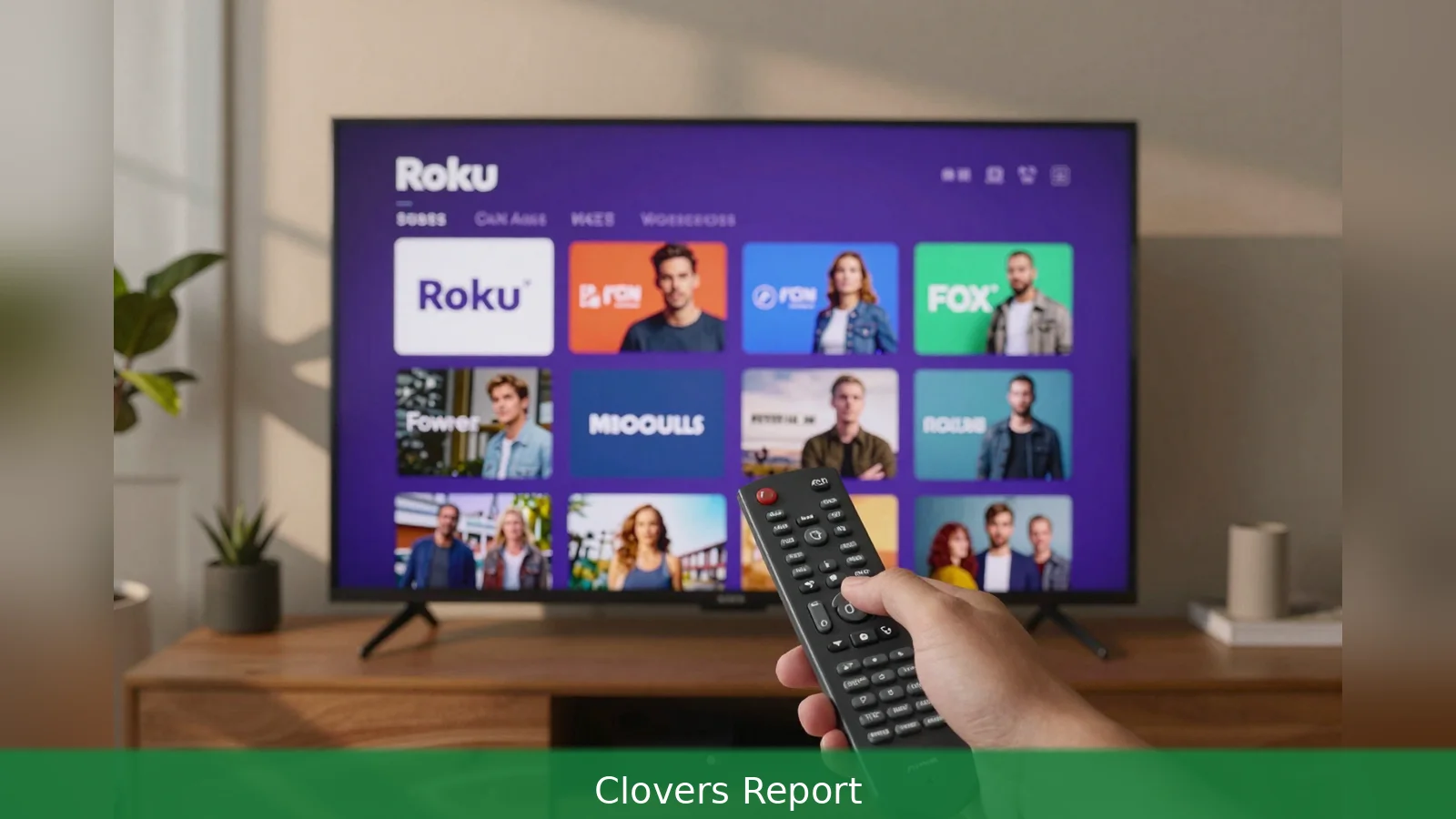
$22 billion buys Fox the streaming homescreen. The broadcaster told investors it will pay that sum to acquire Roku, a platform used in more than 100 million homes worldwide, while keeping the two companies operationally separate. Fox plans to use Roku’s distribution, recommendation technology and ad inventory to expand viewership for Fox Sports, news and local programming, tapping the viewer data that powers the platform’s personalised homescreen recommendations.
$22 billion. That figure anchors a deal that Fox presented to investors as a way to marry a legacy broadcaster's content with one of the largest streaming distribution platforms.
Executives framed the acquisition as commercial rather than a wholesale product overhaul. Lachlan Murdoch, chief executive of Fox, said he expects to grow U.S. viewership through "a combination of Roku technology, Roku’s platform, the tremendous content that’s on the Roku channel, and the content that Fox brings to it as well." Anthony Wood, founder and chief executive of Roku, told investors that the company’s homescreen is already driven by personalisation and advertising, and that adding Fox properties will give the combined business extra content to promote and monetise. Wood said, "Most items on the homescreen are personalized in the sense that we decide what to show a customer based on what they’re most likely to watch, what they’re most likely to buy."
What Fox is buying
Roku supplies a portal used by smart TVs and streaming devices that centres on a large marquee ad and a carousel of recommended shows and movies. The company generates the bulk of its revenue by selling ads across that platform and by taking commissions when users sign up for premium streaming services through the Roku interface. By purchasing Roku, Fox gains direct access to that ad inventory and the data that underpins Roku’s recommendation algorithms, a combination executives described as critical to increasing scale and monetisation.
Fox has said the two companies will remain distinct after the acquisition. The public comments emphasised that the Roku brand and the purple user interface are likely to stay familiar to consumers. Murdoch indicated the plan is to leverage Roku’s platform to distribute Fox content more prominently, including Fox Sports and local station programming. Wood will probably retain a role at the combined company after the deal closes, according to the companies’ investor presentations.
How the homescreen matters
Roku’s homescreen isn't neutral real estate. The platform shows a mix of paid placements, algorithmic recommendations and promoted items that generate direct advertising revenue or drive subscriptions. Executives told investors the acquisition will let Fox push its own content into those high‑visibility slots while keeping the mechanics of personalisation intact.
That matters because homescreen placement shapes what millions of viewers discover without opening an app or searching for a show.

Roku’s model depends on knowing what viewers are likely to watch and buy, and then selling access to that attention. Fox’s pitch to shareholders was that combining its catalogue of live sports, national news and local programming with Roku’s distribution and recommendation engine will expand reach and create new advertising opportunities across a larger, combined audience.
But the commercial case is only part of the equation. Observers pointed to broader implications when a major content owner also controls the platform that surfaces content to viewers.
Privacy and political questions
Privacy advocates and media critics raised immediate concerns about concentrating both distribution and audience intelligence under a single owner with distinct editorial positions. Jeff Chester, executive director of the Center for Digital Democracy, described the acquisition as part of a wider consolidation of U.S. media assets under owners aligned with the current political right, and said the deal carries political implications beyond pure business strategy.
Transferring Roku’s usage data and ad inventory into Fox’s control would merge the firm’s first‑party behavioural signals with a media company that broadcasts partisan news and opinion. That intersection of personalised recommendation, advertising revenue and editorial control is precisely what privacy advocates and some lawmakers scrutinise when platforms tilt discovery at scale.
Fox and Roku haven't disclosed detailed plans for how user data will be handled during integration, beyond investor comments about using the platform to promote and monetise Fox content. The companies have said integration work will focus on homescreen promotion of Fox content and capturing additional ad opportunities across the combined audience.
Regulatory review was mentioned only in passing. The companies told investors the acquisition will probably close in 2027, but they didn't provide a public timetable for approvals or detailed roadmaps for integration milestones.
For viewers, the near term may feel like a continuation of the Roku experience; the companies have signalled that the purple interface and Roku branding will remain familiar. For advertisers and rights holders, the change is material: a broadcaster with large live audiences will be able to place content and advertising inside a device interface that already steers what users watch.
For rivals and independent streamers, the prospect of one major owner guiding a platform’s prominent real estate raises hard questions about neutral access to discovery. The companies insisted they will keep Roku’s personalisation engine functioning as before, while using their scale to monetise impressions and conversions more effectively.
Investors were shown the rationale in blunt terms: combine Fox’s content catalogue and live programming with Roku’s distribution and recommendation technology to grow viewership and advertising revenue. How regulators, competitors and privacy critics respond will shape how that combined business works in practice.
Related Articles
- Anthropic suspends two models, India expansion put on hold
- US orders Anthropic to disable Claude Mythos 5 and Fable 5
- Equal AI raises $30m as assistant answers only unknown calls
The companies say the deal is likely to close in 2027, subject to regulatory approvals and privacy scrutiny that will decide how Fox can integrate homescreen promotion and use Roku’s audience data. Those reviews will shape the timetable and the practical limits on how prominently Fox content can be surfaced across the combined platform.
This article was created with AI assistance.


