
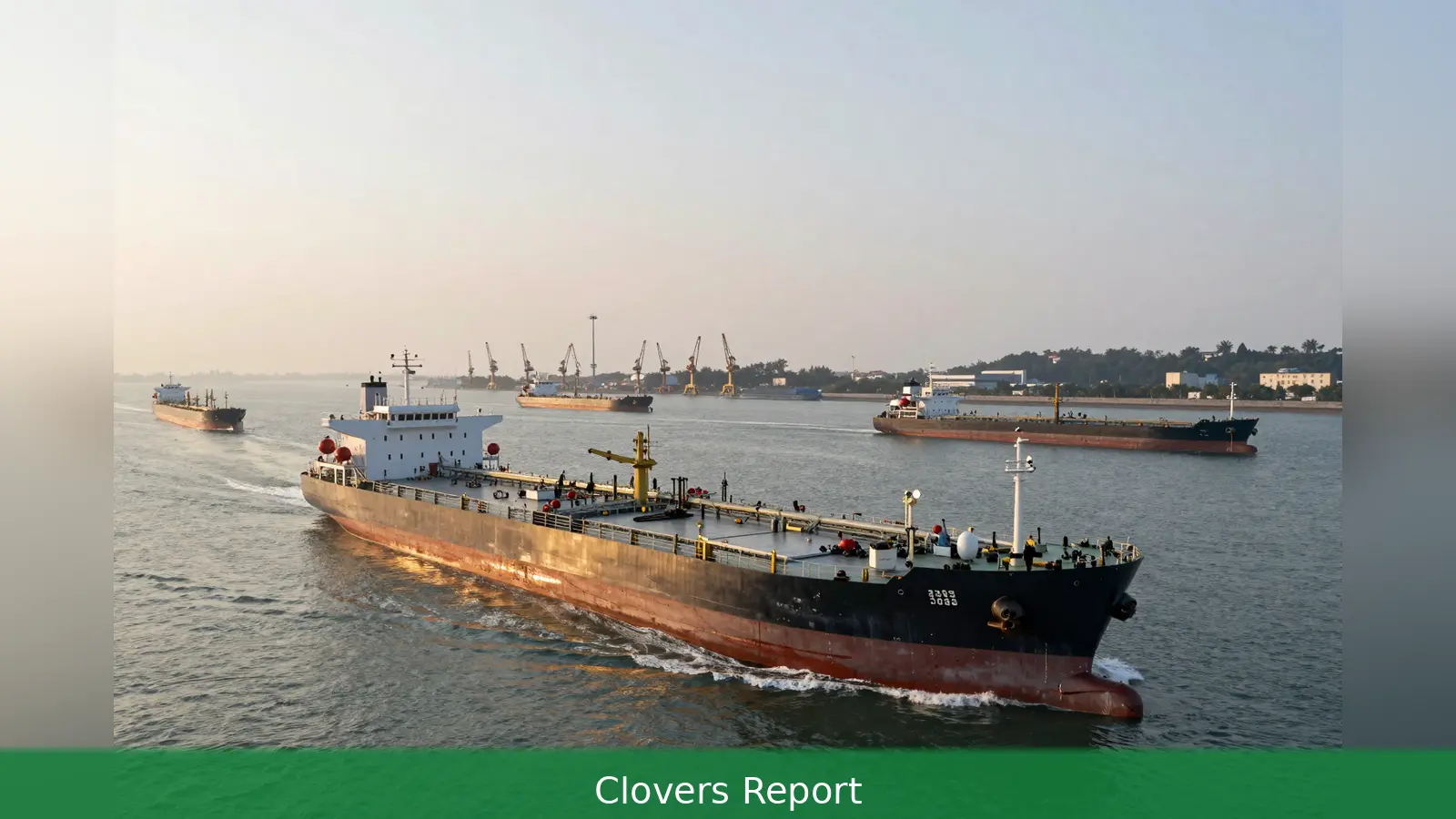
188,000 barrels a day is the size of the August boost OPEC+ approved on Sunday, yet Brent slipped to about $71.88 a barrel as markets shed the wartime premium. The decision, reported by MarketWatch on 6 July 2026, assigns the extra output across seven producers, while Fortune India put U.S. West Texas Intermediate near $68.58. That mix should ease pump prices for households but squeeze revenue for oil companies. Delegates reconvene in August to reassess market conditions.
The fifth consecutive monthly quota hike arrived at the same moment markets were shedding the wartime price premium that had pushed crude higher.
What exactly did OPEC+ approve? The alliance agreed a collective increase of 188,000 barrels per day for August, MarketWatch reported, marking the fifth straight monthly rise in its production targets.
Who is assigned the extra output? Delegates and reporting indicate seven producers share the new quota: Saudi Arabia, Russia, Iraq, Kuwait, Kazakhstan, Algeria and Oman. Those seven were specifically named across coverage as recipients of the August uplift.
Will those barrels actually flow? Several delegates note a gap between paper quotas and physical exports. Some Gulf producers haven't fully restored output or shipments since the regional conflict, so much of the additional allowance may remain theoretical until exports resume in earnest.

Why are prices slipping despite repeated increases? Markets have reacted to improved flows through the Strait of Hormuz and an easing of tensions between the United States and Iran, which removed much of the geopolitical premium, several reports said.
Traders are pricing in more crude because commercial shipping through Hormuz has gradually resumed and Russian shipments have stayed robust.
How much of the announced increase will actually reach world markets? Analysts and delegates describe the August increase as largely symbolic until a durable U.S. Iran understanding holds and the Strait of Hormuz fully reopens, a point MarketWatch emphasised. Tanker movements and exports have improved and OPEC+ members have been restoring output in stages, but physical constraints and capacity limits mean announced quota gains don't immediately translate into delivered barrels.
What does the price move mean for households and producers? The combination of a rising effective supply outlook and lower benchmark contracts, with Brent under $72 per barrel, tends to ease fuel costs for consumers but reduce revenue for oil companies and producing states. That squeeze is the practical consequence of removing the wartime risk premium while the alliance unwinds prior voluntary cuts.
What are the longer term policy implications for OPEC+? The group has signalled a cautious path, continuing to unwind voluntary cuts adopted in 2023 while saying it will monitor market conditions. If the monthly tranche increases continue, they could amount to most of the reversal of past curbs, but OPEC+ faces internal pressure from members seeking higher allowances and the practical limits of ramping production.
Related Articles
- 4.2% oil jump lifts yields, dents US stock futures
- Aramco profit up 26%, warns Hormuz disruption to 2027
- Aramco Q1 profit forecast SAR 108.8bn after oil surge
OPEC+ returns to the table in August, when delegates could approve further quota changes and reassess whether the paper increases can be turned into delivered barrels. Originally reported by marketwatch.com.
This article was created with AI assistance.


